
Behavioral Science Behind Coffee Culture
How Coffee Marketing Used Psychology —
And What It Teaches Dog Owners
Do you know one of the founders of behavioral science who changed your life?
ow one of the founders of behavioral science who changed your life?
John B. Watson was one of the founders of behavioral science. His work in psychology helped start and popularize behaviorism, and he conducted experiments to understand how to control behavior. His idea was that behavior is shaped by the environment, and through learning and conditioning, we can change it.
His famous quote was:
“Give me a dozen healthy infants, and I’ll make them whatever I want.”
His work, along with Ivan Pavlov and Edward Thorndike, helped build the foundation of behavioral science. Later, B. F. Skinner expanded this work by explaining how consequences increase or decrease behavior. Today, we use that science to help dogs and humans.
But do you know he is one of the reasons we take coffee breaks?
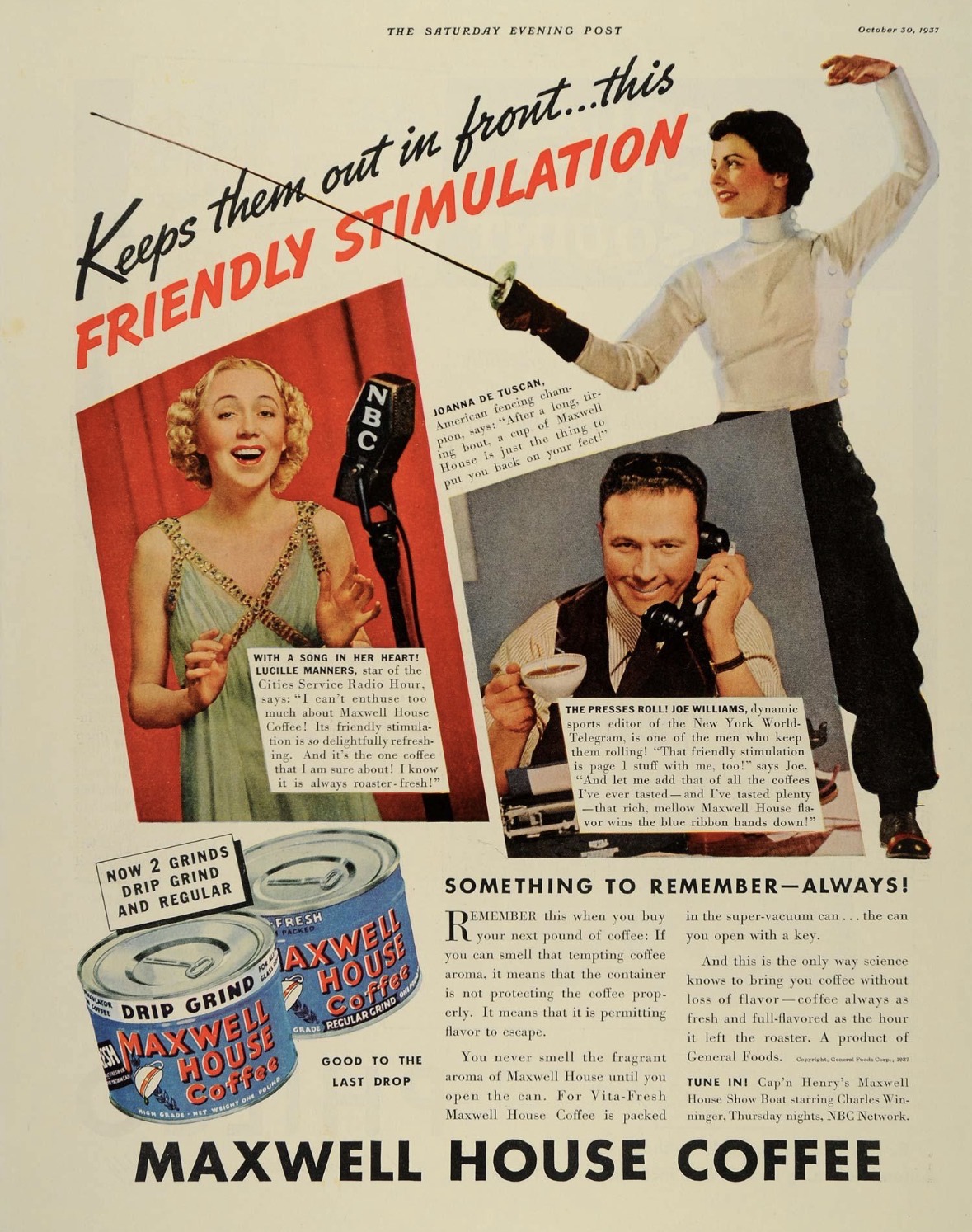
After leaving the university, he joined an advertising company and was the mind behind the famous “Give Yourself a Coffee Break.” He worked with Maxwell House Coffee to make it more popular across the country. His marketing campaigns promoted coffee breaks, socializing with friends, resting, and gaining energy.
Watson used emotional conditioning principles to create associations — happiness, socialization, energy — and connect those feelings to coffee.
It’s the same thing we do when we train dogs. We go out, hike, play, make the dog tired and happy, and then pair that state with the crate.
But do you know he was also one of the people behind making smoking “sexy” for women? His advertising campaigns convinced women that smoking was attractive, while also promoting products like Pembco Toothpaste.
His successful campaigns included advertising for Pond’s Cold Cream and Pembco Toothpaste. He took an approach that appealed not to rational thinking, but to emotions — creating desire for the product.
Watson is one of the fathers of both behavioral science and modern marketing. We still use his ideas today — to train dogs, help people, raise kids, and even when we drink coffee.