
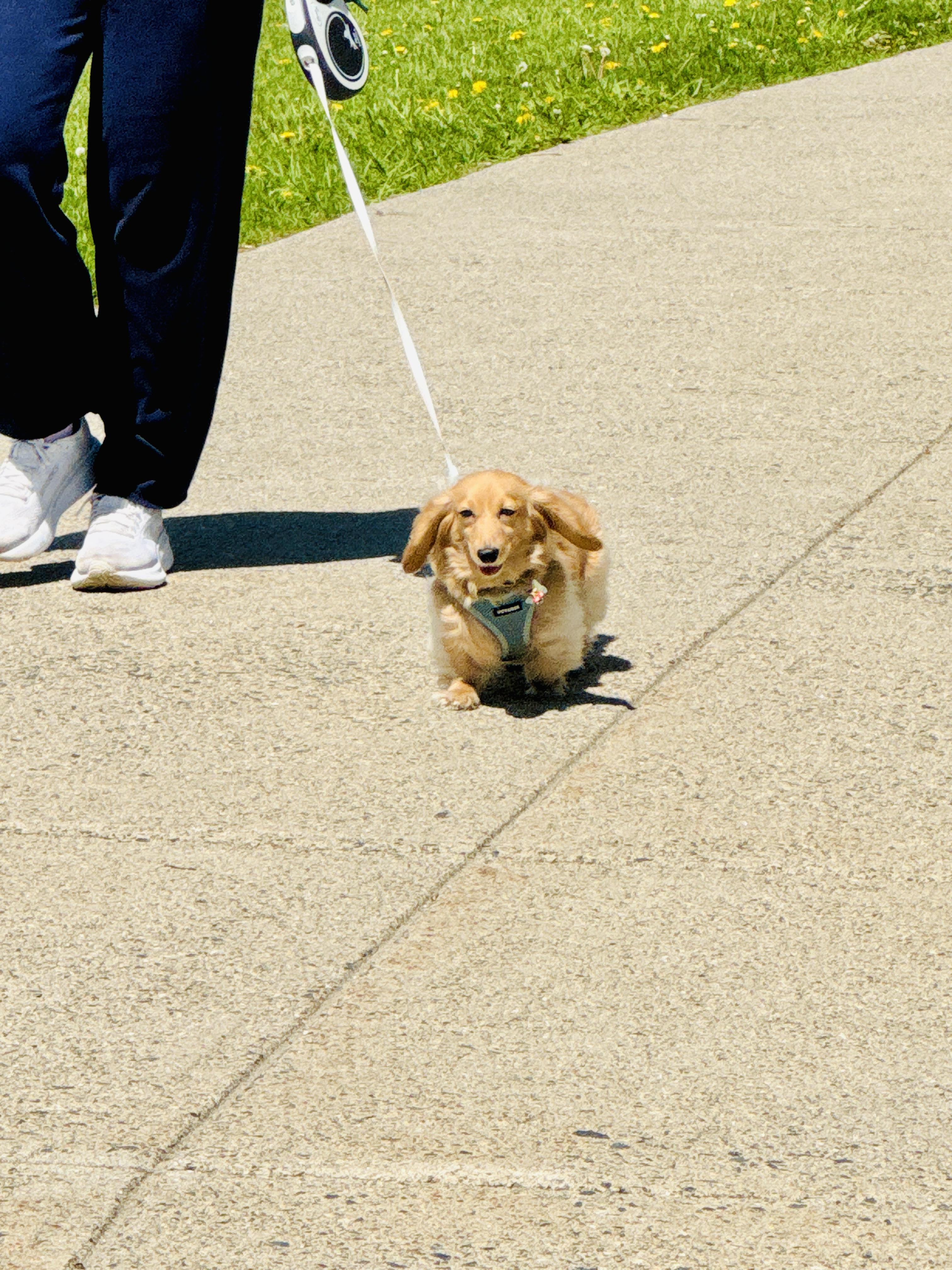
The Most Hated Dog Training Tool Became One of My Favorites
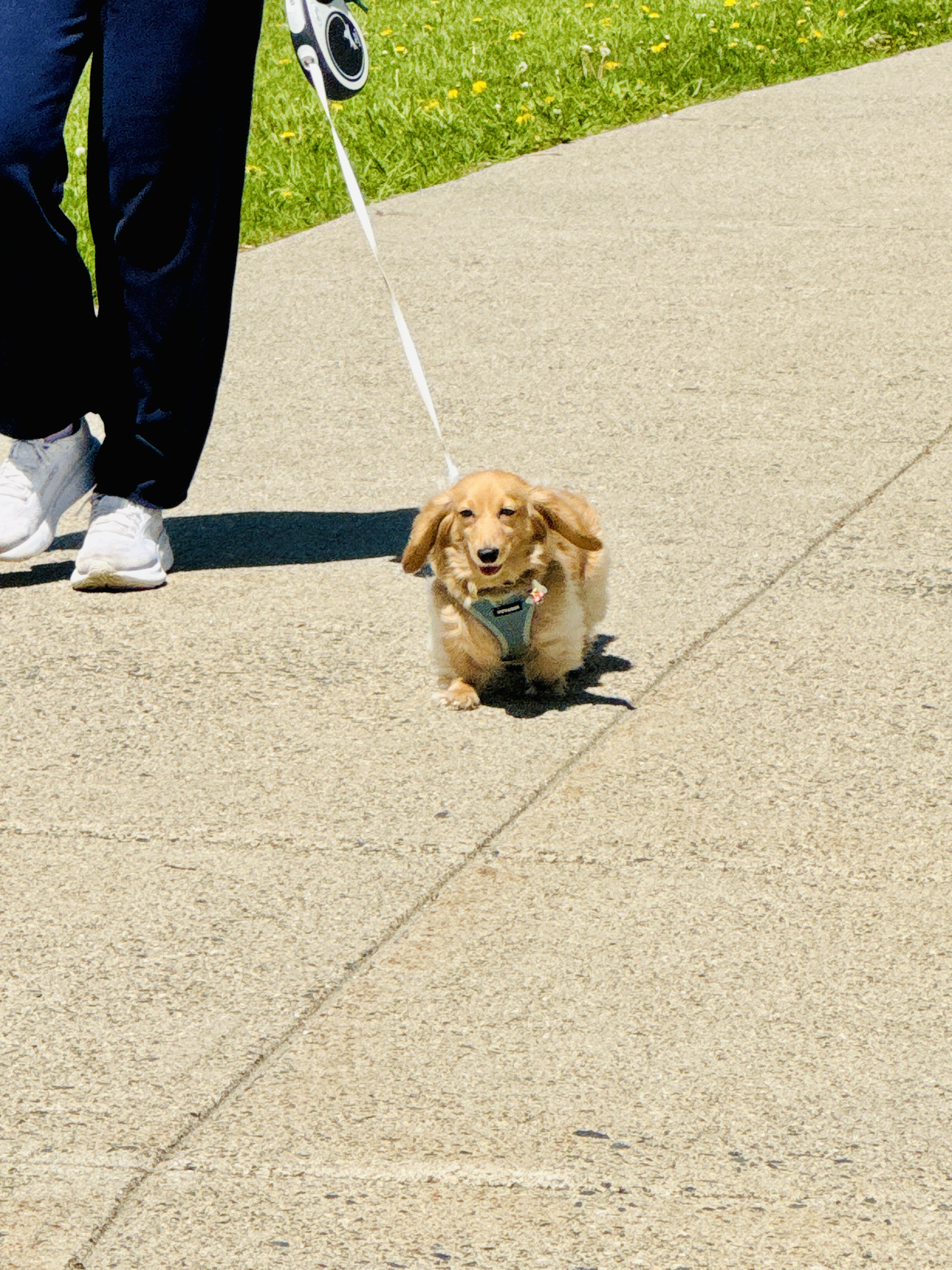
Why I Changed My Mind About Flexi Leashes
When I started my dog training career, I hated flexi leashes.
I told people they were irresponsible. I believed they taught dogs to pull, ignore their owners, and behave badly. I thought people who used them had less control over their dogs.
Then I went to dog training school.
One of the first things we learned was the value of retractable leashes. As I started using them with puppies, reactive dogs, and obedience clients, I began seeing benefits I couldn’t ignore.
Today, flexi leashes are one of my favorite training tools, and I’d like to explain why.
1. Puppies Need Freedom to Explore
One of the biggest mistakes dog owners make is trying to control every step their puppy takes.
Puppies learn about the world by exploring it.
A flexi leash allows a puppy to move, sniff, investigate, and interact with the environment while still remaining safely connected to the owner. This freedom helps build confidence and independence.
Puppies learn that they can navigate the world without constantly relying on their owners for direction. That confidence often carries over into other areas of life and can help reduce fearfulness, insecurity, and even separation-related issues later on.
The puppy gets freedom.
You still maintain control.
It’s the best of both worlds.
2. Flexi Leashes Make Recall Training Easy
One of the most important skills any dog can learn is coming when called.
The problem is that most owners only practice recall inside the house or in structured training sessions.
Real-life recall happens outside.
When I use a flexi leash, I can allow a dog to move 20, 25, or even 30 feet away. Then I call them back and reward them with praise, a toy, food, or simply more freedom.
During a normal 30-minute walk, I can easily practice ten or more recalls.
That means the dog’s daily walk becomes a training session without feeling like one.
Without a flexi leash, most owners simply don’t get enough opportunities to practice recall in real life.
3. Reactive Dogs Often Need More Freedom, Not Less
Many dogs that bark and lunge on leash aren’t trying to be aggressive.
They’re frustrated.
Think about their day.
They spend hours inside an apartment or house. Then they finally get outside and immediately find themselves walking on a short leash down busy streets filled with noise, traffic, and distractions.
They want to run.
They want to sniff.
They want to investigate.
They want to enjoy being a dog.
Instead, they feel trapped.
When another dog appears, they often believe that’s the only exciting thing that’s going to happen during the entire walk. They desperately want to get closer.
When they can’t, frustration explodes into barking, lunging, and pulling.
Giving dogs more freedom through a flexi leash often reduces that frustration. They can explore, sniff, and enjoy their walk while still remaining safely connected to their owner.
A happier dog is often a calmer dog.
4. Freedom Builds Better Relationships
Many owners think keeping their dog close creates a stronger bond.
In reality, it often creates conflict.
Dogs spend every walk trying to pull away from the owner while the owner spends every walk trying to hold them back.
That’s not teamwork.
That’s a daily argument.
Something interesting happens when dogs get appropriate freedom.
The need to constantly pull begins to disappear.
Many clients tell me that after a few weeks of using a flexi leash, their dog starts pulling less—even though we haven’t started formal leash walking training yet.
Why?
Because their dog no longer feels deprived.
They’ve had opportunities to explore, sniff, and satisfy their curiosity. Once that need is fulfilled, they naturally become more engaged with their owner.
Instead of feeling forced to stay close, they choose to check in.
That’s where real relationships begin.
The Real Problem
Most dog owners aren’t dealing with a leash problem.
They’re dealing with a freedom problem.
Their dog wants to explore the world.
They want their dog to listen.
They don’t know how to achieve both at the same time.
As a result, walks become stressful, frustrating, and exhausting.
The Good News
You don’t have to choose between freedom and control.
With the right training, your dog can enjoy freedom while still listening to you.
They can sniff, explore, and interact with the world while responding when called.
They can enjoy their walks without dragging you down the street.
And you can enjoy having a dog again.
We Can Help
At Makes Sense Dog Training, we help dog owners solve behavior problems so they can enjoy life with their dogs again.
Whether you have:
A reactive dog
A fearful or shy dog
A puppy that needs socialization
A dog that ignores recalls
A dog that pulls on leash
A flexi leash may be one of the most valuable tools you can add to your training program.
I’ve successfully used it with puppies, family dogs, reactive dogs, and working breeds.
What Happens Next?
If you continue doing the same walks you’ve always done, your dog will keep practicing the same behaviors they’ve always practiced.
More frustration.
More pulling.
More conflict
More stress.
But if you learn how to use freedom correctly, walks can become one of the best parts of your day.
Stop worrying about your dog and start enjoying life together.
Schedule your consultation today, and we’ll show you how to safely use a flexi leash to create better walks, build stronger engagement, and give your dog the freedom they deserve.