Why I’m Not Rushing to Train My Puppy
Why I’m Not Rushing to Train My Puppy
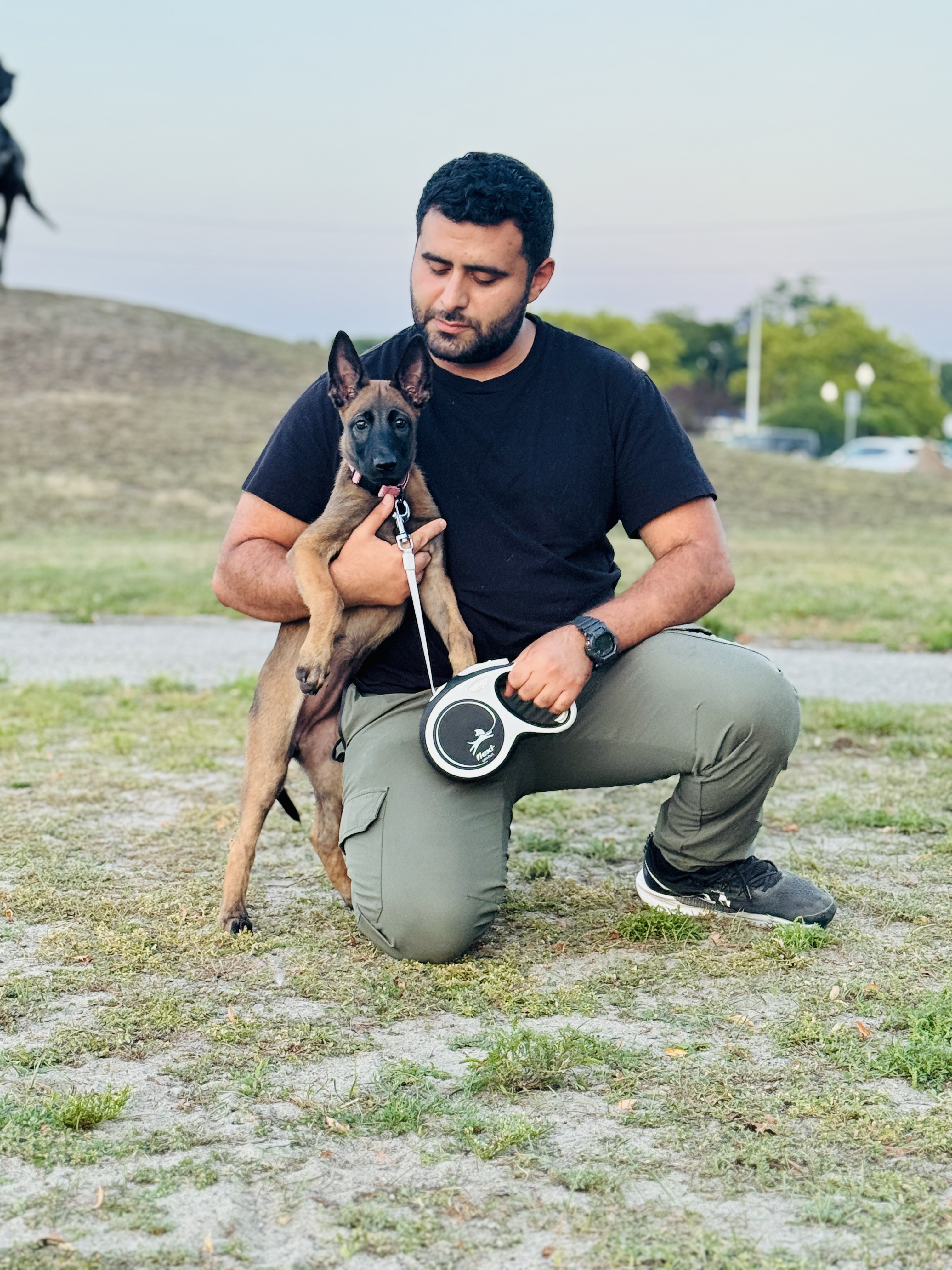
I’d like to introduce you to my new puppy.
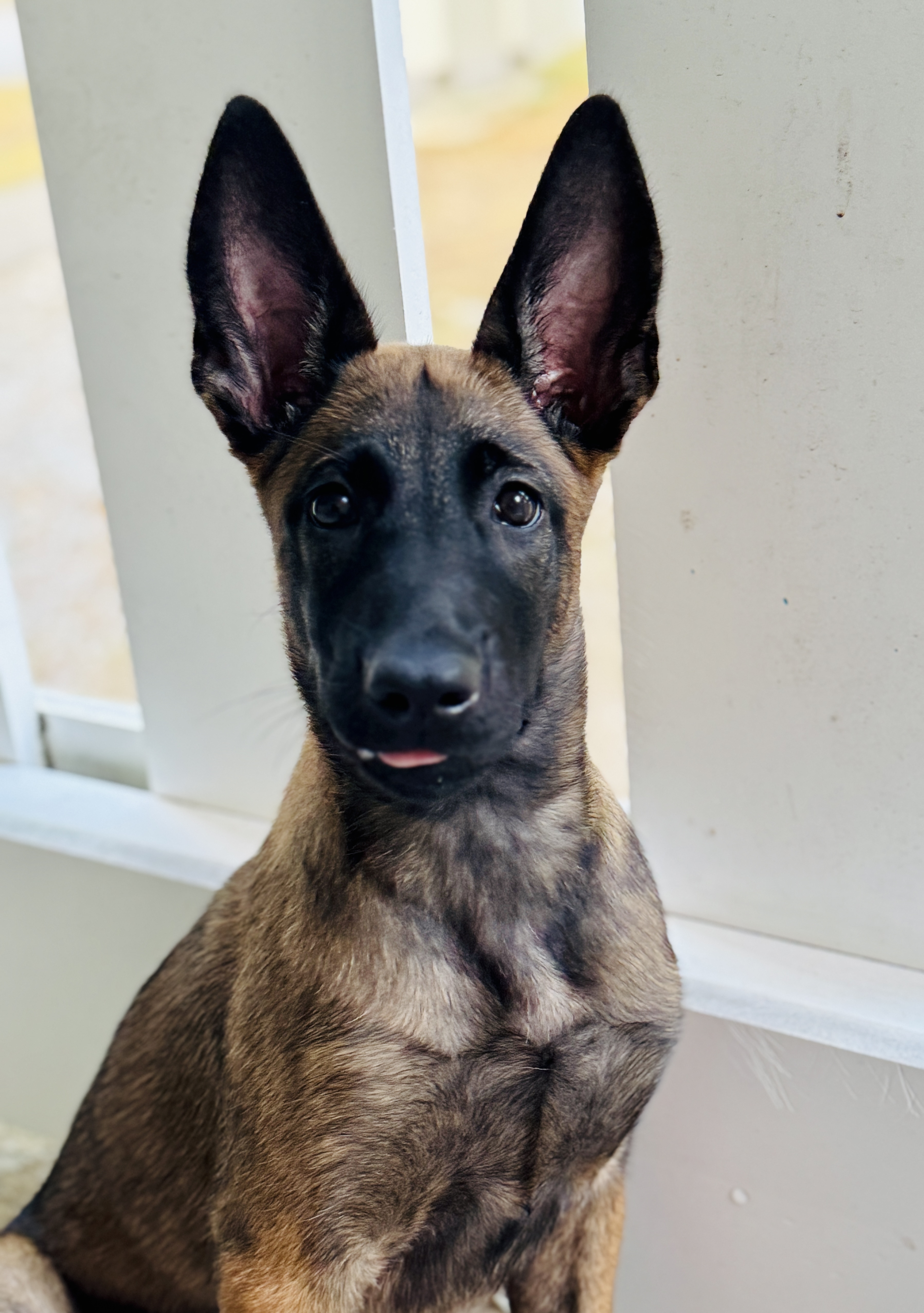
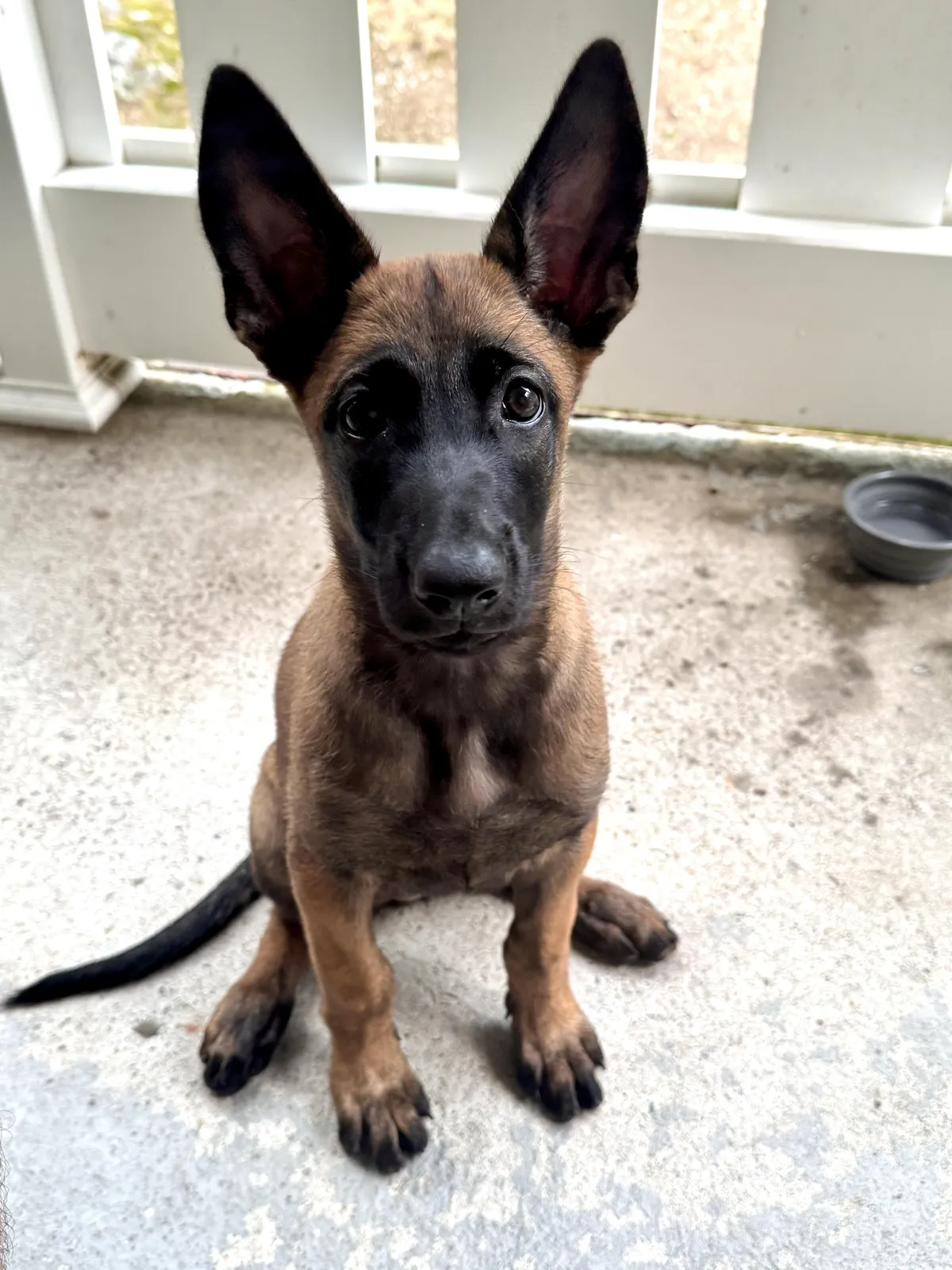
Her name is Ela. She’s a Belgian Malinois, she’s 11 weeks old, and I haven’t done a single formal training session with her yet.
That may sound strange coming from a dog trainer.
If you spend time on social media, especially watching dog trainers, you’ll see very young puppies already learning sit, down, place, heel, and other obedience exercises.
There’s nothing wrong with teaching those things. It can be fun.
I’m just not in a rush to do any of it with Ela.
Because when I think about the problems most puppy owners actually struggle with, sit and down aren’t going to solve them.
Sit isn’t going to stop your puppy from peeing on the carpet. Down isn’t going to stop your puppy from crying in the crate. Place isn’t going to stop those little puppy teeth from biting your hands. And teaching perfect leash walking isn’t going to stop your puppy from chasing the cat around the house.
There will be plenty of time for obedience later.
Right now, I care about something else.
What Does a Puppy Actually Need?
Think about your puppy’s life before coming home with you.
At the breeder, puppies spend their days playing with their siblings. They wake up, they play, they eat, they sleep, and then they wake up and do it all over again.
Play. Eat. Sleep. Repeat.
Then we bring them home and suddenly everything changes.
They’re separated from their siblings, they’re living in a completely new environment, and we’re already worried about teaching them commands.
Instead of trying to turn Ela into an obedient dog as quickly as possible, I’m trying to give her what I believe she needs at this age.
For me, that means focusing on sleep, play, socialization, crate training, and basic rules and boundaries.
First, I Want My Puppy to Sleep
One of the first things I started figuring out with Ela was how much sleep she actually needed.
Initially, I was giving her around two-hour naps several times throughout the day. But I could see it wasn’t enough. She wasn’t getting enough rest.
So instead of thinking, “I need to train this behavior,” I changed her schedule.
I increased some of those two-hour naps to around three hours. She started getting better rest, and when she was awake, her energy was better.
For me, figuring out the right amount of sleep for my puppy is more important right now than teaching her to sit.
That’s also why I recommend actually writing down your puppy’s schedule. Know when your puppy wakes up, when they eat, when they play, and when they’re going back into the crate to sleep. Then repeat that routine consistently.
When you have a crazy puppy running around the house, biting everything and getting into trouble, it’s very easy to think, “My puppy needs more training.”
Sometimes the first question I want to ask is much simpler:
“How much did your puppy sleep today?”
I Want to Play With My Puppy
The second thing I care about is play.
Remember what your puppy was doing before you brought them home. They were playing with their siblings all day.
Then suddenly they come home with us and everything becomes training: sit, down, come, leave it, no, stay.
I don’t want Ela’s relationship with me to start as one long obedience class.
I have balls and soft, fluffy toys around the house, and when she’s awake, I play with her. Sometimes it’s five minutes, sometimes it’s ten. We play with toys, we wrestle, and we have fun.
I want Ela to learn that spending time with me is fun.
There will be plenty of time later to teach obedience. She’s only going to be a puppy once.
I Want Her to Experience the World
Socialization is another priority.
And when I say socialization, I don’t mean that Ela needs to run up and say hello to every person and every dog she sees.
I want her to see and experience normal life.
I take her to public places and parks—not dog parks—where she can experience people, dogs, cars, bicycles, noises, movement, and everything else happening around her.
She doesn’t have to interact with all of it.
She can see another dog from a distance without meeting them. Someone can walk past without petting her. A bicycle can go by without anything happening.
I want her to learn that the world is normal.
That’s more important to me right now than teaching an 11-week-old puppy to walk perfectly next to my leg.
Crate Training Is Part of Her Everyday Life
Crate training has also been part of Ela’s routine from the beginning.
I want the crate somewhere away from normal household traffic so she isn’t constantly waking up because somebody walked past.
Before she goes into the crate, I make sure she’s gone potty, she’s eaten, we’ve spent time together, and she’s ready to rest.
Then it’s time to sleep.
For two or three hours, nothing needs to happen. She doesn’t need entertainment every minute she’s awake, and she doesn’t need me next to her all day.
Learning how to be alone and sleep is part of the routine I’m trying to build.
No Formal Training Doesn’t Mean No Rules
This distinction is important.
I’m not formally training Ela yet, but that doesn’t mean she gets to do whatever she wants.
There are rules from day one.
Don’t chew electrical cables, don’t bite the leash, don’t chew my shoes, and don’t bite my hands.
Puppies can learn that there are boundaries in the house.
For me, that’s much more useful right now than worrying about whether Ela can perform a perfect sit, down, place, or heel.
Right now, I’m teaching my puppy how to live with me—not how to perform for me.
You Don’t Have to Rush Either
I think social media puts unnecessary pressure on puppy owners.
You see somebody’s 10-week-old puppy doing sit, down, place, heel, and recall, and suddenly you think your puppy is behind.
Meanwhile, your puppy is peeing on the floor, biting your hands, chasing the cat, crying in the crate, and running around the house like crazy.
And you’re exhausted.
You don’t need another ten things to teach. You need a foundation.
Help your puppy get enough sleep, play together, let your puppy experience the world, build a consistent crate routine, and teach simple rules and boundaries.
There will be time for obedience.
If you rush through puppyhood focusing on commands while ignoring the things making everyday life difficult, you may end up with a puppy who knows how to sit but still struggles with everyday life.
But if you build the foundation first, you’re working toward something much more valuable: a puppy who can sleep, a puppy who can play with you, a puppy who can experience the world, a puppy who understands the rules of your home, and a puppy you can actually enjoy raising.
Don’t rush to train your puppy. Learn how to raise your puppy first.
If you’ve brought home a puppy and you’re already overwhelmed by biting, potty training, crate training, sleep, socialization, or everyday puppy problems, you don’t have to figure everything out by yourself.
At Makes Sense Dog Training, we can help you understand what your puppy needs now and create a routine that works for your puppy and your family.
If you keep trying to solve every puppy problem by adding another command, you may keep struggling with the same everyday problems. Instead, start with the foundation.
Contact us to set up your puppy consultation. We’ll help you build a plan so you can stop worrying about everything your puppy hasn’t learned yet and start enjoying puppyhood together.
And if you want to follow Ela’s journey, follow us on Instagram to watch her grow up and see what we’re doing with her along the way.