
Why More Exercise Isn't Fixing Your High-Energy Dog
Why More Exercise Isn't Fixing Your High-Energy Dog
You walk your dog every day. You play with them. You try to give them enough exercise. But somehow, they still have endless energy.
They come home from a 30-minute walk and immediately start jumping, running around the house, barking, or demanding attention.
And you start wondering:
Am I not exercising my dog enough? Do I need to walk them longer? Is something wrong with my dog?
As a professional dog trainer, I hear these questions during in-home consultations all the time.
Many owners genuinely believe they're doing everything right. They walk their dogs twice a day, sometimes even more, but their dogs still seem impossible to tire out.
Here's what I usually explain to them:
The problem isn't always how much exercise your dog gets. It's what your dog gets out of that exercise.
And simply adding another 30-minute walk might not solve anything.
1. Your Dog Has More Energy Than You Think
Imagine taking your dog outside, somewhere safe, and allowing them to spend the entire day exploring freely.
What would they do?
They would probably spend hours walking, running, sniffing, chasing things, exploring, playing, and investigating their surroundings.
Especially if you have a young, healthy, active dog.
Now compare that with a 30-minute walk around your neighborhood on a six-foot leash.
Your dog has been waiting all day to go outside. Their body is ready to move. Their instincts are telling them to explore, sniff, chase, and discover the world.
And after 30 minutes of walking next to you, they're expected to come home and sleep for the rest of the afternoon.
That's a pretty big expectation.
Of course, some dogs are perfectly happy with two short walks every day. They come home, lie on the couch, and relax.
But if you have one of those dogs, you're probably not reading this article.
There's nothing wrong with your dog because they're still energetic after a walk.
They might simply be a happy, healthy, active dog whose needs aren't being fully met.
2. Your Walks Might Be Boring for Your Dog
Think about what a typical dog walk looks like.
You put your dog on a short leash, leave the house, and start walking.
You expect your dog to stay next to you, not pull, not stop every few seconds to sniff, not chase squirrels, and not get distracted by everything happening around them.
From our perspective, that sounds like a perfect walk.
But what about your dog's perspective?
Dogs experience the world very differently from us.
They want to sniff. They want to investigate interesting smells, follow scent trails, explore unfamiliar places, and figure out what's happening around them.
These activities aren't just entertainment. They provide important mental stimulation.
When we take away all those opportunities and ask our dogs to simply walk beside us for 30 minutes, we might be giving them some physical exercise, but very little mental stimulation.
Imagine going to a beautiful new city and being told you must walk straight ahead, without stopping to look at anything.
You'd probably get bored pretty quickly.
Your dog can feel the same way.
So after your walk, your dog comes home thinking:
Okay, we walked. What's next?
And you're wondering why they're still full of energy.
3. You're Walking With Your Dog, but You're Not Engaging With Them
Here's another problem I frequently notice.
Some owners put on their headphones, take out their phones, and spend the entire walk listening to music, talking on the phone, or scrolling through something.
Meanwhile, their dog is expected to walk quietly beside them.
But dogs are social animals.
They've spent hours waiting for you to come home. They've been looking forward to going outside, spending time with you, and doing something together.
And now that you're finally outside, there's almost no interaction.
Your dog doesn't just need physical exercise.
They also need opportunities to engage with you, communicate, play, and strengthen your relationship.
A good walk should offer more than movement. It should provide physical exercise, mental stimulation, and social engagement.
If your walks consistently provide only one of those three things, your dog might come home feeling like something is still missing.
How to Make Your Walks More Fulfilling Without Spending Hours Outside
The solution doesn't necessarily mean walking your dog for three hours every day.
Sometimes, a few small changes can make a huge difference.
Here are three things I regularly recommend to my clients.
1. Give Your Dog More Freedom to Explore
One of my favorite tools for walking dogs is a longer leash, including a retractable leash when it's appropriate and safe.
Instead of keeping your dog right next to you for the entire walk, give them opportunities to move around, sniff, and explore.
Of course, this requires training.
Your dog should understand basic leash rules, know how to walk without pulling, and respond when you need them to come closer.
But once those foundations are established, you don't need to keep your dog in a strict heel position for the entire walk.
For example, imagine you walk 5,000 steps.
With a longer leash, your dog might travel considerably farther because they're moving back and forth, investigating smells, and exploring the environment.
You're still taking the same walk, but your dog is getting more movement and more opportunities to satisfy their natural curiosity.
A retractable leash isn't appropriate in every situation, particularly around traffic or when a dog lacks leash control. But in safe, open areas, a properly used longer leash can make walks much more enjoyable.
Teach your dog how to walk with you, and then give them opportunities to enjoy some freedom.
2. Stop Walking the Same Route Every Day
I meet so many dog owners who live just five or ten minutes away from beautiful parks, lakes, beaches, or nature trails.
And when I ask whether they take their dogs there, the answer is often no.
They simply walk around the same neighborhood every day.
There's nothing wrong with neighborhood walks, but imagine how much more interesting your dog's day could become if you occasionally changed the environment.
New places mean new smells, new sights, new sounds, and new things to investigate.
Instead of spending 30 minutes walking around the same block, try putting your dog in the car and driving ten minutes to a park.
Yes, it might take an extra 20 minutes out of your day.
But your dog gets a completely different experience.
They can explore new scents, investigate unfamiliar surroundings, and use their brain in ways that familiar walks might not encourage.
You don't need to find a new park every day.
Even rotating between a few different walking locations can make a meaningful difference.
3. Turn Your Walk Into Quality Time Together
You don't need to spend the entire walk training your dog.
But every few minutes, try interacting with them.
Bring a few treats in your pocket.
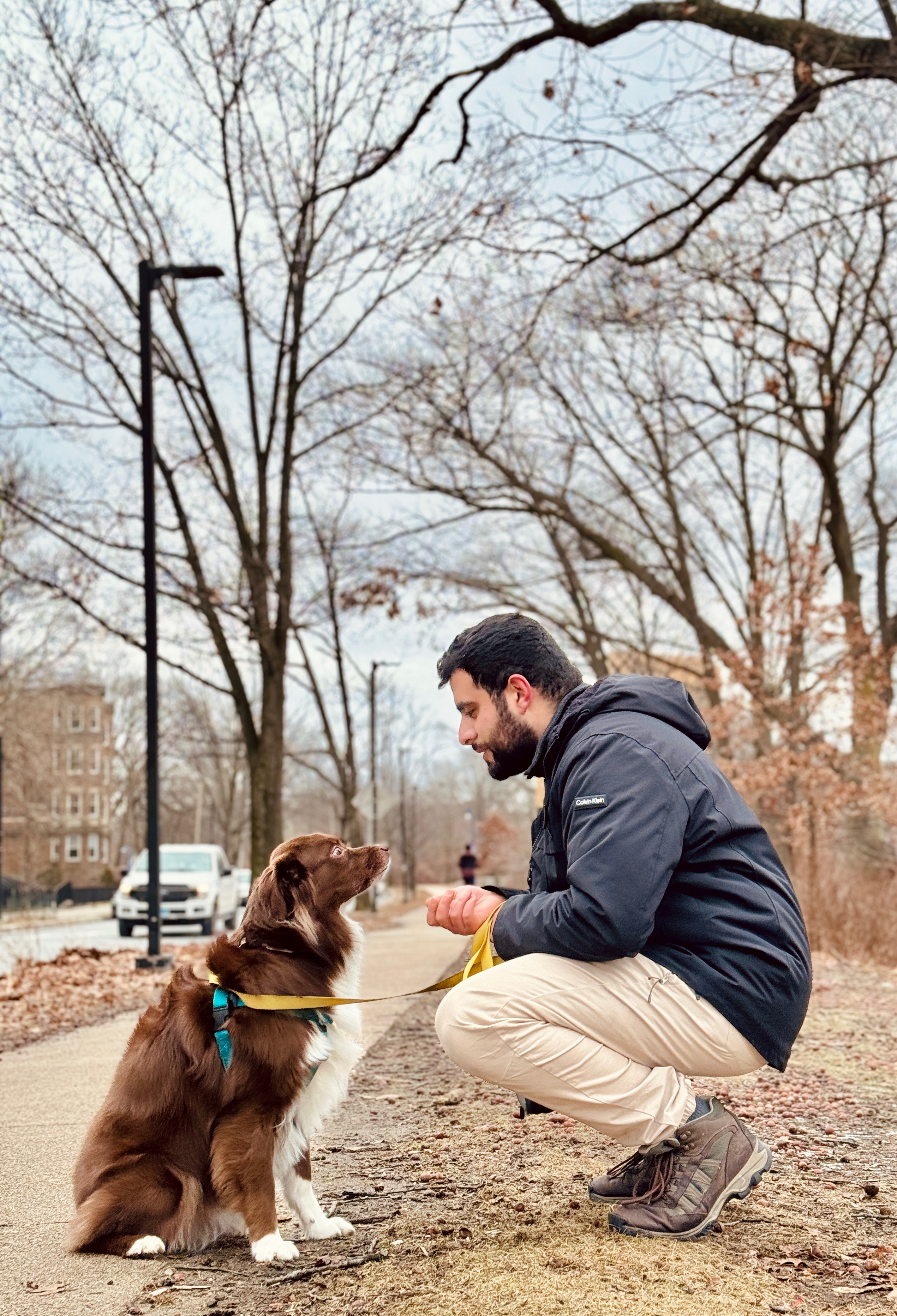
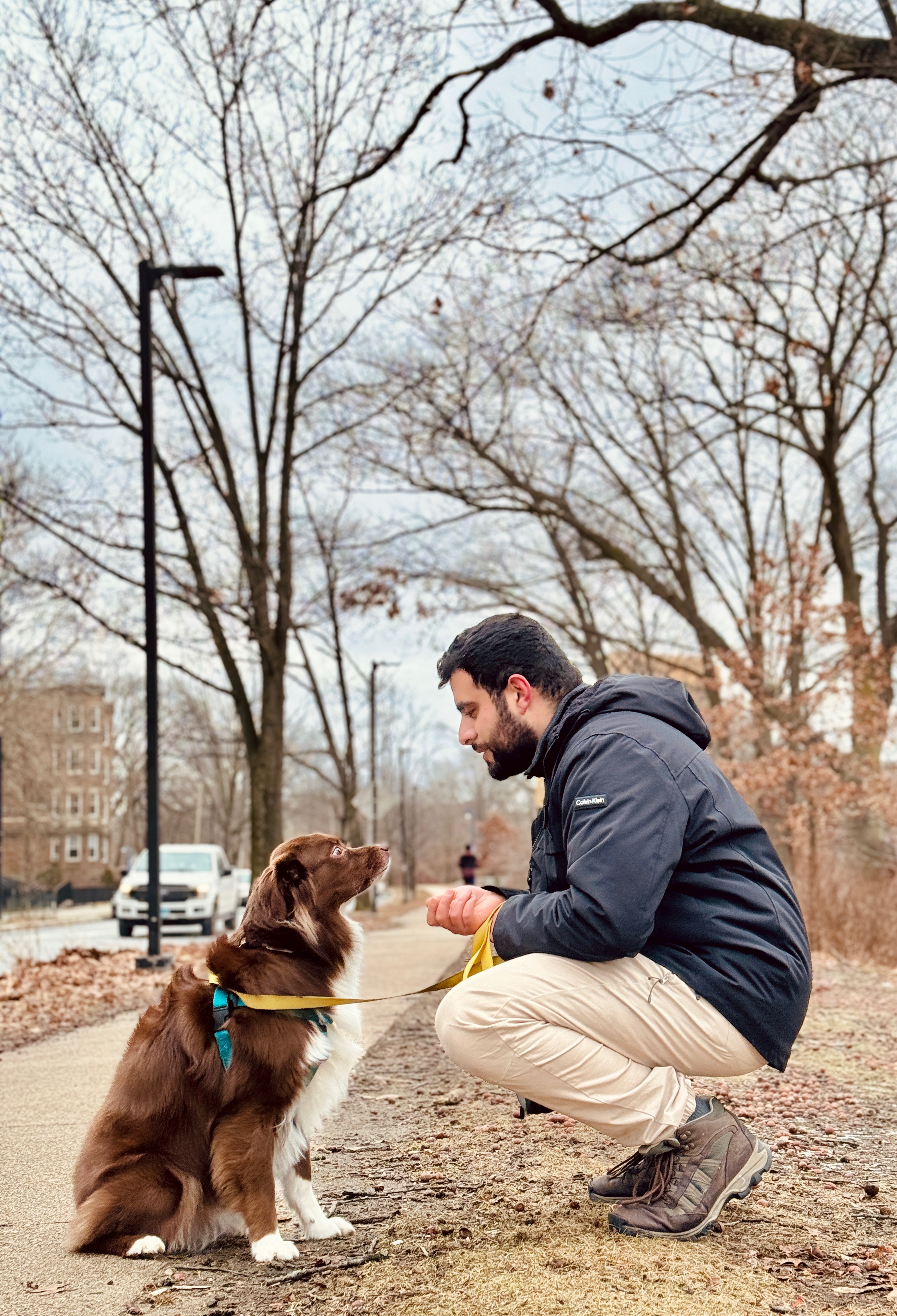
Ask your dog to sit, stay, touch your hand, make eye contact, or perform another simple behavior they already know.
Reward them with a treat, praise, affection, or a little game.
Then let them continue exploring.
A few minutes later, engage with them again.
These little interactions give your dog opportunities to think, communicate, and enjoy doing something with you.
And there's another benefit.
Your dog starts learning that you're part of the fun, not just the person holding the leash.
Instead of constantly looking for entertainment everywhere else, they begin checking in with you because interacting with you is rewarding, too.
That connection can become incredibly valuable in everyday life and future training.
Your Dog Doesn't Necessarily Need More Exercise. They Need Better Experiences.
I'm not saying every dog needs less exercise.
Some dogs genuinely need more physical activity, and certain breeds and individuals have much higher exercise requirements than others.
But before you add another hour to your daily walking schedule, ask yourself three questions:
Is my dog getting enough freedom to move, sniff, and explore?
Am I providing new experiences that mentally stimulate my dog?
Am I spending quality time engaging with my dog during our walks?
You might discover that the problem isn't the length of your walks.
It's what happens during them.
And remember, walking is only one part of meeting your dog's needs. Appropriate play, rest, and learning how to settle are important, too.
Small Changes Can Make a Big Difference
Improving your dog's daily life doesn't always require a complicated training program or hours of additional exercise.
Sometimes, it starts with a longer leash, a couple of new walking locations, and a few simple training games.
Those small changes can improve your dog's physical activity, mental stimulation, emotional well-being, and relationship with you.
And when your dog's needs are better fulfilled, you may start noticing something you've been hoping to see for a long time:
A happier, more relaxed dog at home.
Because the goal isn't to exhaust your dog until they can't move anymore.
The goal is to give your dog a fulfilling life that you can both enjoy.
Need Help With Your High-Energy Dog?
At Makes Sense Dog Training, we help dog owners throughout Boston and surrounding communities understand their dogs, build better communication, and turn frustrating everyday routines into enjoyable experiences.
Whether your dog constantly pulls on the leash, struggles to settle at home, or seems to have endless energy, we'd be happy to help you find an approach that makes sense for your dog and your lifestyle.
Contact us for a free phone consultation. Let's talk about your dog and how we can help you enjoy life together.
Makes Sense Dog Training
You should enjoy your dog. If you don't, we can help.